

Winter Lecture Series
El Rancho de Las Golondrinas has been putting on the Speaking of Traditions lecture series for over 20 years.
In this series, you will have the chance to learn more about New Mexico History and historical subjects that you may have been previously unaware of. This three lecture series is always on the last Tuesday of January, February, and March in our partner’s lecture hall, the New Mexico Museum of Art’s St. Francis Auditorium.
TICKETS ON SALE NOW
If you missed any of our lectures, they are available on our YouTube channel.

January Lecture
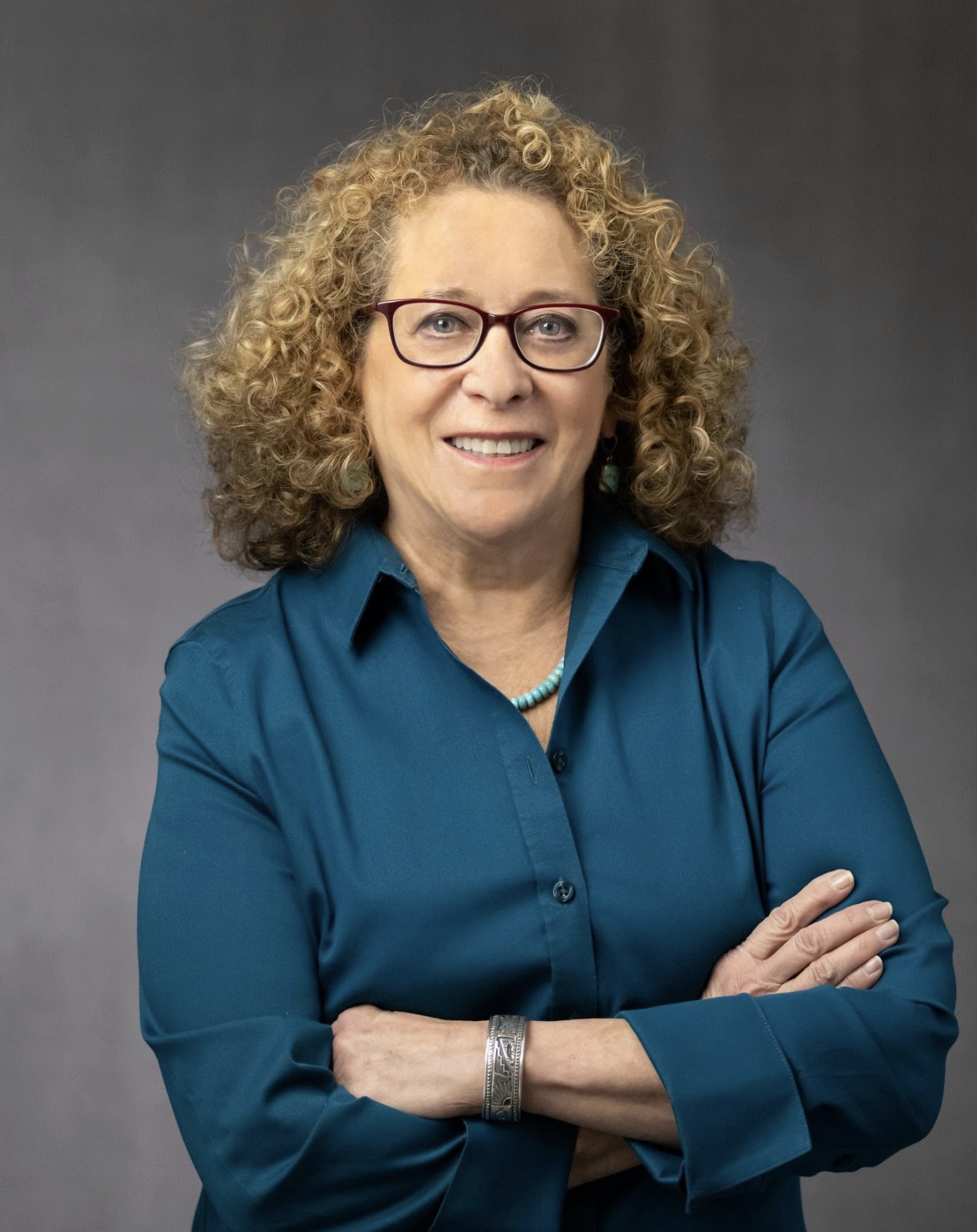
Jennifer Denetdale (Diné)
Diné History, Colonial Archives, and Oral History
January 27 | 5:30pm
Doors Open at 5pm
This presentation will focus on historical photographs of Diné as subjects and explore the workings of colonial archives and how primary sources such as photographs shape how we “know” people and places, thereby reinforcing stereotypes that have resonated across decades. Simultaneously, these same photographs become the vehicle for renewed storytelling for Diné. What might we learn, if anything, about Diné from photographs? What might photographs tell us about Diné history? How do photographs become a site for renewed storytelling?
About Jennifer Denetdale
Jennifer Denetdale (Diné) is a professor and chair of American Studies at the University of New Mexico. She is best known for her book, Reclaiming Diné History: The Legacies of Navajo Chief Manuelito and Juanita, and has published two Navajo histories for young adults and a children’s book. She is the author of numerous book chapters and journal essays. Her research is focused in Diné Studies with attention to history, gender and sexuality, and theories of settler colonialism and decolonization. She co-curated two museum exhibitions of Milton Snow’s photographs, one at the Maxwell Museum of Anthropology (2025-26) and the Navajo Nation Museum, which opened August 8, 2025. She is the co-author of a forthcoming book on Milton Snow’s photographs that are largely from the Navajo Nation Museum’s collection, which will be published in October 2026 by the University of New Mexico Press. She is from Tohatchi, New Mexico, on the Navajo Nation, and currently resides in Albuquerque.
February Lecture
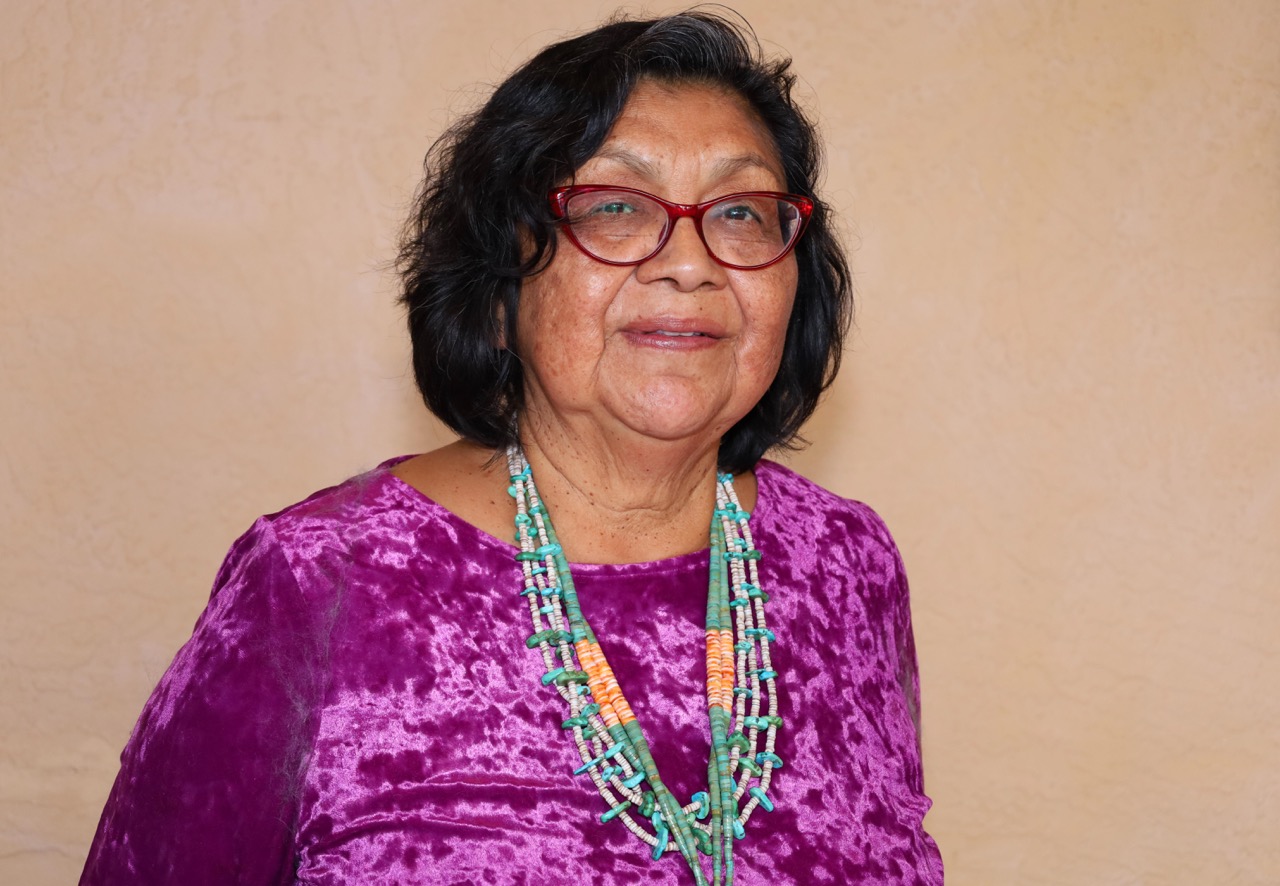
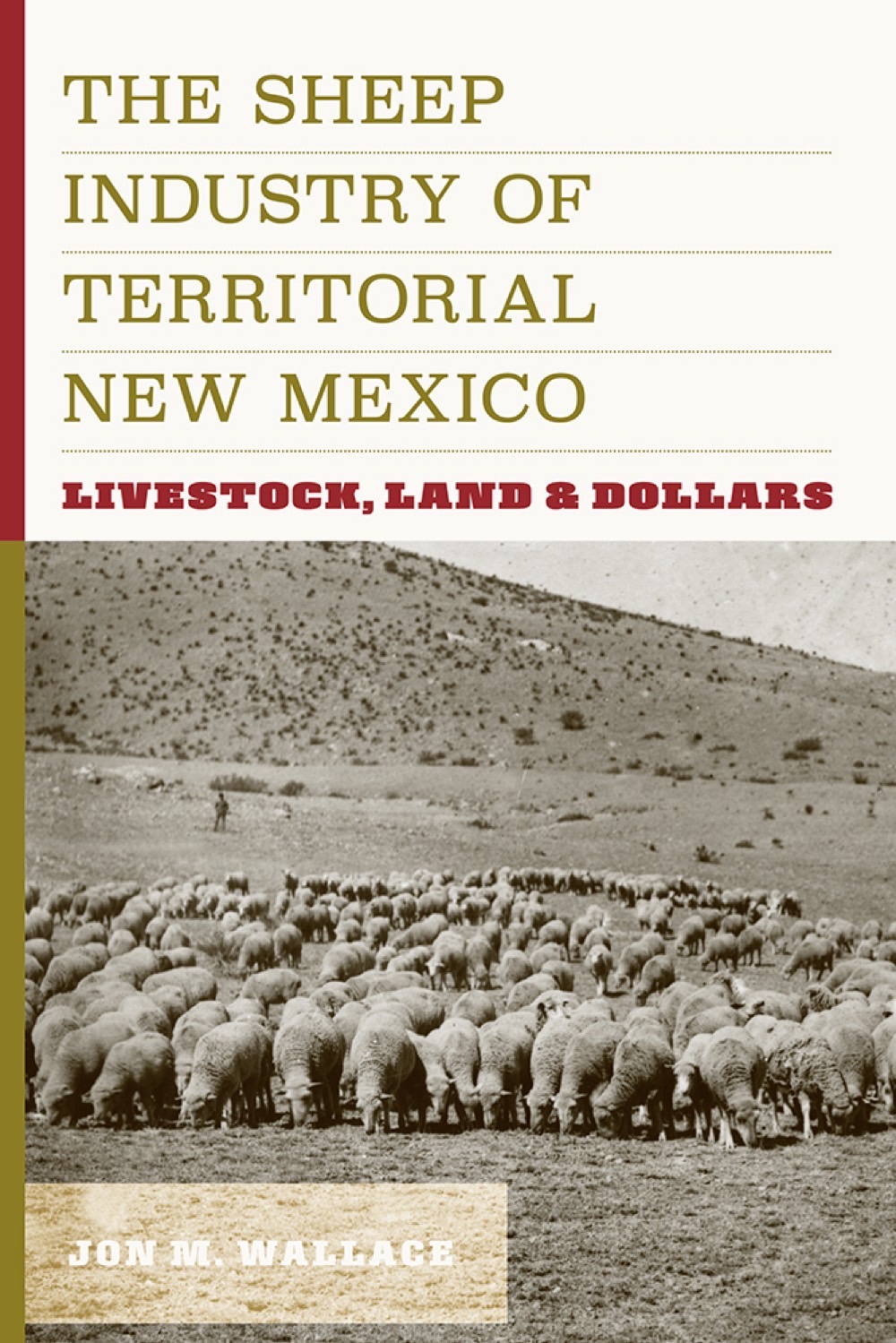
Jon Wallace
The Sheep Industry of Territorial New Mexico:
Livestock, Land and Dollars
February 24 | 5:30pm
Doors Open at 5pm
The Sheep Industry of Territorial New Mexico offers a detailed account of the New Mexico sheep industry during the territorial period (1846–1912), when it flourished. As a mainstay of the New Mexico economy, this industry was essential to the integration of New Mexico (and the Southwest more broadly) into the national economy of the expanding United States. Author Jon Wallace tells the story of evolving living conditions as the sheep industry came to encompass innumerable families of modest means.
The transformation improved many New Mexicans’ lives and helped establish the territory as a productive part of the United States. There was a cost, however, with widespread ecological changes to the lands—brought about in large part by heavy grazing. Following the US annexation of New Mexico, new markets for mutton and wool opened. Well-connected, well-financed Anglo merchants and growers who had recently arrived in the territory took advantage of the new opportunity and joined their Hispanic counterparts in entering the sheep industry.
The Sheep Industry of Territorial New Mexico situates this socially imbued economic story within the larger context of the environmental consequences of open-range grazing while examining the relationships among Hispanic, Anglo, and Indigenous people in the region. Historians, students, general readers, and specialists interested in the history of agriculture, labor, capitalism, and the US Southwest will find Wallace’s analysis useful and engaging.
About Jon Wallace
March Lecture
Dr. Frances Levine
Conexiones: Where The Santa Fe Trail Meets El Camino Real
March 31 | 5:30pm
Doors Open at 5pm
Santa Fe was the nexus of many trails south and west. Cieneguilla, where El Rancho de Las Golondrinas is located, sits along El Camino Real. Frances Levine’s research connects the Santa Fe Trail to El Camino Real, tracing the history of families and businesses that created new opportunities in Mexico, New Mexico, and Missouri.
About Dr. Frances Levine
Dr. Frances Levine has had a distinguished career as a museum executive leader at both ends of the trail. She is a resident of St. Louis and has lived in Santa Fe since 1976. Crossings is a book that draws from her travels on the trail as well as the opportunity she has had to work with archaeological, archival, and museum collections relating to the trail. Crossings received the 2025 Gaspar Pérez de Villagrá award from the New Mexico Historical Society, recognizing it as an outstanding contribution to the history of the American Southwest and Borderlands. The book was also awarded a New Mexico Book Award in History from the New Mexico Writers.